The Convergence of Ultralight and Trail Running Gear
Introduction
I’ve been interested with backpacking and hiking gear since I first started getting outside and onto trails. Something about having a “kit” and equipment has really become a passion of mine. This passion has led me down may ends of the gear spectrum, from carrying 35 pound backpacking packs, all the way to the topic of today, which is comparing the philosophy of Ultra Light Backpacking with outfitting a vest for trail running adventures. Knowing what is most critical and useful is the shared overlap, however size and need are of potential debate when comparing the two.

Running on the Mountains to Sea Trail in North Carolina
Ultralight Backpacking Experience
Generally speaking, I think most people regard ultralight backpacking as anything with a base weight (no consumables like water or food included) under 10 pounds. Throughout my experience with backpacking, I would like to consider myself a supporter of this movement having done a number of backpacking trips sticking very closely to this number and sometimes going under. For reference, here’s some examples of my setup from past trips:
2019 AZT Section Hike (9lbs)
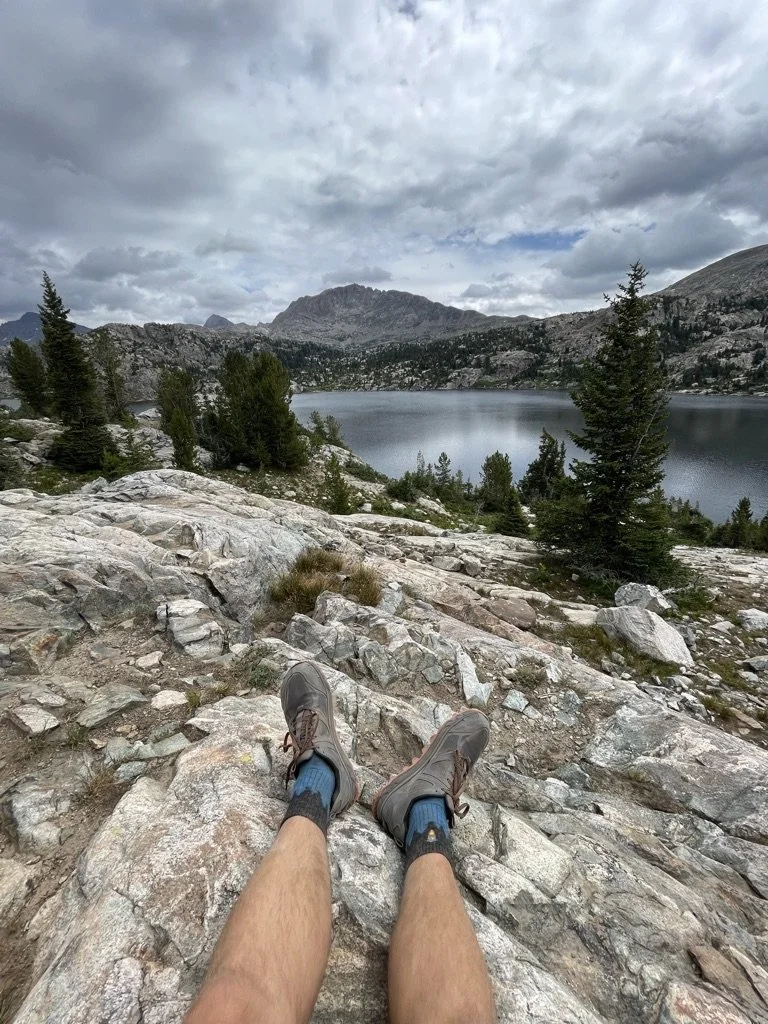
2021 Wind River Range (10lbs)
I admit, I have not fully adopted the movement to the point in which I have dropped dramatically in weight or moved to tarp tenting, however I believe I fully understand the philosophy behind the movement and the main advantages. This leads into an area of difference, but high importance when considering weight and size with trail running: load on joints.

Running the Mount Mitchell Summit Loop in North Carolina
Trail Running Experience
I am new to trail running in the sense I have not “ran” on trails frequently or with extensive consistency in year’s past. With that being said, I have hiked and backpacked often, and have ran recreationally since middle school cross country. I’ve ran up to a marathon and consistently run 20-30 miles per week throughout the year. Therefore, I understand the demands of running and training. In the context of weight, size, and load on your joints, my experience in UL backpacking has come in handy. I’ve carried that mindset into outfitting trail running kits to be most effective and safe when in the woods.

Running the Holdridge East Loop in Michigan
Trail Running Setup
To manage the biggest difference between the two, load on joints, I have invested my time and energy looking at maximizing efficiency and reuse of gear. Walking is inherently less impactful on your body when compared to running, although running on trails is much better than on the road. Nonetheless, minimizing impact is the name of the game for both objectives, but with trail running, size and space become a high consideration. Therefore, this is what I have found to be the most effective balance of safety and weight:
Headlamp!
Gloves, Balaclava, and an emergency Windbreaker for unexpected inclement weather
UL First Aid Kit (safety pin, a few ibuprofen, a few bandages, etc.)
Sunscreen, Dude Wipes, Sunglasses, and Body Glide for warm/sunny conditions
Emergency Bivvy or Reflective Blanket
Protective Rain Jacket for both rain and unexpected stoppage (to keep warm)
1L Water Filter
Lipstick phone charger or external battery pack
In the event I am running or fast packing for more than a few hours, I may include a UL tarp setup in case of an injury and unexpected overnight situation. This would usually only be carried if I intended to be running for more than 4 hours or am running in an area that is very remote and offers few “bailout” points.

Running the Kuala Ridge Trail in Kauai
Conclusion
I see the philosophies and principles behind each sport overlapping for the most part between UL and Trail Running. There are subtle differences, but what I have learned through trail running is an extension of the “question everything” mindset. I believe this can be used to better outfit my hiking and backpacking adventures in the future. Where the outdoor equipment world meets minimalism and intention, the outdoor enthusiast finds the right balance between “necessity” and “luxury”.